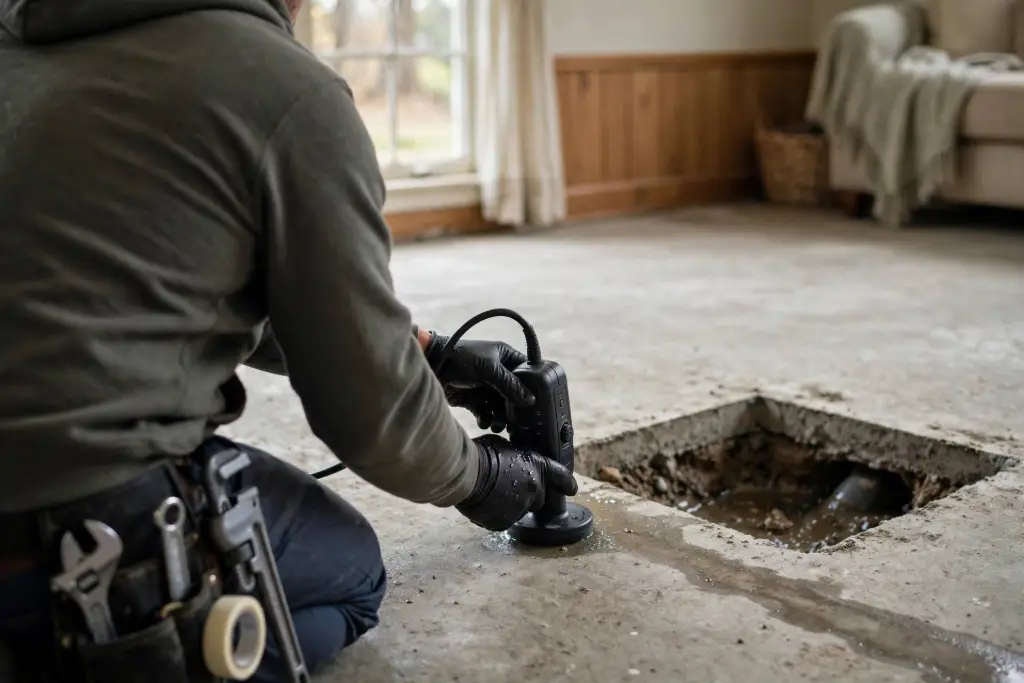
Slab Leak Help in Mountain Home, ID
Slab Leak Detection & Repair in Mountain Home, ID
A slab leak in a Mountain Home home usually announces itself sideways: a warm patch on the floor, a water bill that jumps for no reason, the faint sound of water running when every tap is closed. We connect you with experienced local plumbers who find the leak first and explain your options before any work begins. Calls are answered 24/7 across Mountain Home.
Serving 83647 · Mountain Home, Idaho
- Calls answered 24/7
- Detection before any digging
- Pros who know Mountain Home homes
Sound Familiar? Common Slab Leak Clues in Mountain Home
Slab leaks rarely start with water pouring across the floor. They start with small clues that are easy to explain away. If two or more of these match your home, call before the problem grows.
- A patch of floor that feels warm underfoot, especially with no heat running
- The water meter dial creeping even when every tap and appliance is off
- A water bill that jumps with no change in how you use water
- Hearing water run somewhere in the house when nothing is on
- Damp carpet or buckling floorboards with no visible source
- Tile or flooring cracking near a damp or warm spot
- A water heater that seems to run constantly, day and night
What to Do While You Wait
These safe steps take a few minutes and make your call far more useful. Do not break up flooring yourself to look for the leak.
- Do the meter test: turn off every tap and water-using appliance, then watch the meter for movement. Movement means water is going somewhere.
- If it looks like a hot-side leak, turning off the water heater's cold supply can slow it. Do not touch gas or electrical controls.
- If water is surfacing, close the main shut-off valve.
- Photograph wet areas and floor damage for your records, with dates.

How a Call Works
One call, no runaround. Here is exactly what happens after you dial.
- Call. Dial (986) 333-0586. Calls are answered 24/7 by a real person.
- Say what you are seeing. A warm floor, a moving meter, a bill that jumped. That is enough to route your call.
- You are connected with a local pro. We connect you with an experienced local professional, who asks about the home's age and your meter test result, then schedules the visit. Ask about availability when you call.
- Options from the pro. Detection pinpoints the leak first. Then the pro explains your repair options before any work begins.
Mountain Home Homes and Slab Leaks: What Your Home's Era Tells You
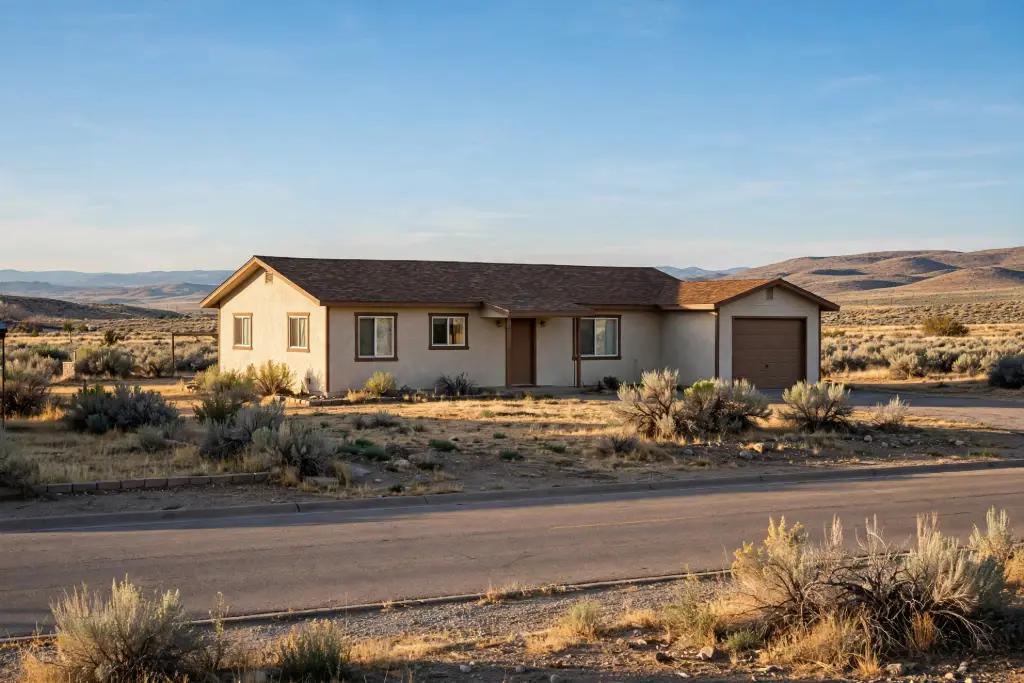
Mountain Home's housing stock reads like a timeline, and each era fails differently. Downtown and the older streets include many pre-1960 homes with mixed foundations and older supply lines. In one of these, a hidden leak might sit under a slab, under a crawlspace, or in the old supply line entering the house, so detection matters more than guessing. If you need slab leak repair in Downtown Mountain Home, say so up front and mention the foundation type. That one detail changes where the tech starts.
The 1960s to 1980s ranch neighborhoods are the classic slab leak setting. Many of these single-story slab and crawlspace homes ran copper lines under the concrete, and those lines are now at leak-prone age. Warm floors, moving meters, and bill spikes cluster in this stock. Callers asking for slab leak repair in North Mountain Home or slab leak repair in South Mountain Home usually live in these neighborhoods, and the playbook is the same: confirm it with the meter test, pinpoint it with detection, then choose between spot repair, reroute, or repipe.
Newer subdivisions from the 1990s onward often run PEX, and many of these homes sit on crawlspaces rather than slabs. Leaks still happen here, at fittings and where shifting soil stresses a line, but not every hidden leak in a newer home is a slab leak. Detection tells you what you actually have before anyone talks about concrete, and that honesty is the whole point of finding it first.
How Slab Leak Detection Works
Slab leak detection in Mountain Home answers two questions before anyone touches the floor: is the leak really under the slab, and exactly where is it? The technician starts with your meter result and your symptoms, then narrows the search with three methods that read the slab from the surface.
- Acoustic listening. Pressurized water escaping a pipe makes a faint hiss. Listening equipment picks it up through tile, carpet, and concrete, and an experienced ear can follow it to a small area.
- Thermal imaging. A hot-side leak warms the concrete above it. A thermal camera shows that warm path across the floor, which is often how a warm hallway tile gets traced to its source.
- Pressure testing. Isolating the hot and cold sides, then individual runs, shows which line is losing pressure. That confirms the leaking line before a repair plan is made.
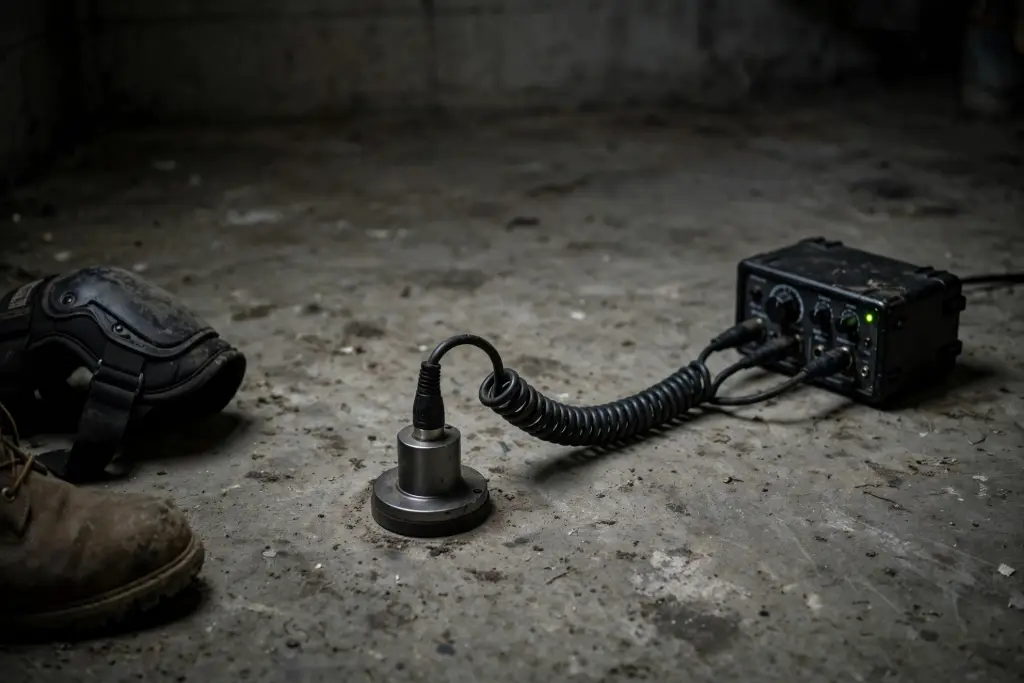
When the methods agree, the spot is marked on the floor. The visit ends with a plain explanation of what was found and what each repair option involves, and you are not committed to any repair by the detection visit alone. Ask the pro for a written record of the leak location for your files.
Slab Leak Repair: What a Spot Repair Involves
When detection finds a single leak and the rest of the line tests sound, slab leak repair is usually a spot repair through a small opening in the concrete. The steps follow the same order in most homes:
- Protect the room. Furniture is moved, nearby surfaces are covered, and the work zone is kept as tight as the opening allows.
- Open at the mark. The slab is opened only where detection pinpointed the leak, so the opening stays small.
- Replace the section. The damaged pipe is cut out, a new section is joined to the line, and the exposed pipe on both sides is checked for wear.
- Pressure test, then patch. The line is brought up to pressure and watched before the opening is backfilled and the concrete is patched level.
The plumbing work ends at the concrete surface. Tile, hardwood, and laminate are finished by flooring professionals, so keep any spare tile or planks from the original install. If the exposed pipe shows corrosion along its length, or this is not the first leak, ask whether a slab leak reroute or a repipe after a slab leak fits better than another opening.
More Ways a Slab Leak Gets Handled
Detection and spot repair cover most single leaks. These guides cover the situations that need a different plan, or you can browse all slab leak services in one place.
Pipe Rerouting
When one line under the slab keeps leaking, the failing run is abandoned and a new line is routed overhead through walls or attic space.
How a reroute is plannedWhole-Home Repipe
Repeat leaks on different lines can mean the whole system is aging. A repipe replaces the supply lines in one project.
When a repipe makes senseHot Water Slab Leaks
A warm patch on the floor or a water heater that never rests points to the hot side, which gets its own handling.
Hot-side leak guideSigns of a Slab Leak
The full warning list, from meter movement to damp flooring, plus the lookalikes that are not slab leaks at all.
Check the signsWhoever You Are, Start With a Call
Owners. You own the floors and you pay the bill, so a slab leak lands on you twice. Start with the meter test: everything off, watch the dial. If it moves, photograph any damp spots, warped boards, or cracked tile, and note when your bill jumped. If water is surfacing anywhere, close the main shut-off first. Keep a simple dated file with photos, bills, and the meter result, so you have the details on hand. When you call, have your home's age and what you found ready for the pro. That tells the tech where to start. The pro explains the plan before any work begins.
Renters. Tell your landlord in writing as soon as you notice anything: a warm floor, damp carpet, a bill that doubled, the sound of water with the taps closed. Include dates and photos and keep a copy of every message. Follow up in writing if nothing changes, and keep every response. You can do the meter test, but do not open flooring or touch the water heater's gas or electrical controls. If water is surfacing, close the main shut-off if you know where it is. Note what you observe, when it started, and what you have already reported. When you call us, we connect you with a local pro, and you can hand over clear documentation of everything.
Managers. One bill spike across several units is usually a leak, not usage. For each property, run the meter test with everything off and log the address, the meter behavior, and photos of any damp flooring or warm spots. Rank the list by severity: active surfacing first, then meter movement, then bill spikes alone. Keep a dated record for every unit, because it makes billing and scheduling straightforward. Tell us how many properties are involved and what each one shows, and share tenant contact details so scheduling moves fast. We connect you with experienced local pros who can work through the list, and the plan is explained before work starts at any address.
Why Call Mountain Home Slab Leak Co.
We are a connector, not a contractor. Our job is to get you to the right local professional fast, with straight answers before anyone picks up a tool.
- Calls answered 24/7. A real person picks up around the clock, including nights and weekends.
- Ask about availability when you call. Scheduling is set by the local pro, including for urgent leaks.
- A plan before any work. The pro explains the options before anything starts.
- Ask about the warranty first. Before work starts, ask the pro what warranty covers the work.
- Techs who know Mountain Home homes. From pre-1960 downtown foundations to 1980s ranch slabs to newer crawlspace builds, local pros have seen your home's layout before.
- Straight answers on the phone. If your symptoms do not sound like a slab leak, we will say so and point you toward what to check next.
Areas We Serve in Mountain Home
We serve all of Mountain Home, Idaho 83647: the older streets of Downtown Mountain Home, the 1960s to 1980s ranch neighborhoods of North Mountain Home and South Mountain Home, the newer subdivisions of West Mountain Home, and the rental homes in between. One line, answered 24/7, connects you with a local pro anywhere in the city. See every area we serve for what local pros run into in each part of town.
Slab Leak Questions
Turn off every tap and water-using appliance, then watch the meter dial or the small flow indicator. If anything moves while everything is off, water is going somewhere it should not. Write down what you saw and call. That result tells the tech where to start.
The technician confirms the leak with your meter, separates the hot and cold sides, then listens and scans the floor until the spot is narrowed to a small area and marked. You get an explanation of the findings and the repair options before any concrete is opened.
No. Detection comes first: acoustic listening and other pinpointing methods locate the leak before anyone opens concrete, so any opening stays as small as possible. The tech explains the plan before any work begins.
A single isolated leak can often be spot repaired through a small opening in the slab. If leaks keep appearing on the same line, abandoning that run and rerouting a new line overhead usually makes more sense. When leaks spread across several lines, a whole-home repipe may be the honest answer.
Tell your landlord in writing right away, with dates and photos: warm floors, damp spots, a jumping bill. Keep copies of every message. Do the meter test if you can, and do not open flooring or touch the water heater's controls. When you call us, we connect you with a local pro and you can pass along your documentation.
Do not wait it out. Water under a slab keeps working on the concrete and the flooring, and the bill keeps running too. If the meter moves with everything off, that is your answer. Call now, describe what you found, and let a local pro confirm it.
Not every hidden leak is a slab leak. Crawlspace homes, including many newer builds in Mountain Home, can show the same symptoms from lines under the floor or in a crawlspace. Detection tells you what you actually have before anyone talks about concrete. Call and describe your home's layout.
Slab Leak Help Is One Call Away
Warm floor, moving meter, jumping bill: call now and talk to a local slab leak pro. Calls answered 24/7.
Call Now for Slab Leak Help