Areas
Slab Leak Repair in South Mountain Home
Slab leak repair in South Mountain Home means solving a two-part puzzle: the leak itself, and the lawn that hides it. Call (986) 333-0586 and describe the bill or the warm floor. We connect you with experienced local plumbers who separate irrigation waste from a real pipe leak before any work is planned. We connect homeowners across Mountain Home, ID 83647 with experienced local plumbers.
- Era: Mid-century ranch homes
- Layout: Lawns and mature lots
- Calls answered 24/7
- Detection before any digging
- Pros who know Mountain Home homes
Lawn or Pipe? The South Side Puzzle
When the water bill climbs, the first suspect is usually the sprinklers, and sometimes that is exactly right, but a supply leak under the slab or on the yard line produces the same climbing bill. That is why the work here starts by ruling the yard out: the technician isolates the irrigation, runs the house meter with everything off, and finds out which system is actually losing water. Only then does the search move to the pipe itself, because the visit is as much about honest elimination as it is about repair.
The Homes Here: Ranch Neighborhoods With Lawns and Mature Lots
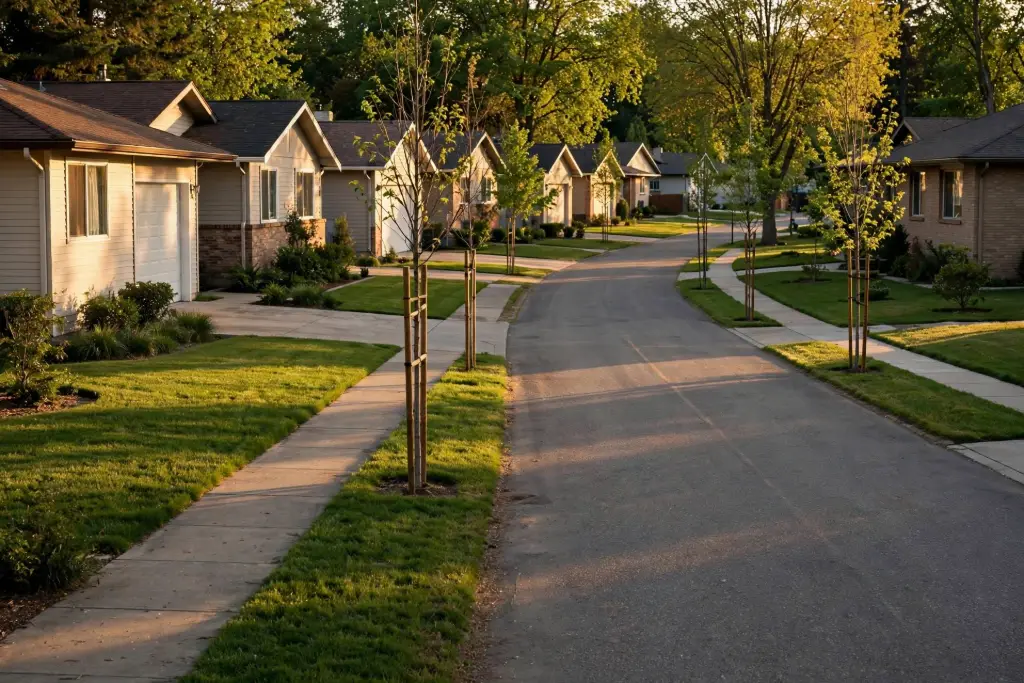
South Mountain Home is ranch country: single-story homes from the mid-century building years on wide lots with established lawns, mature trees and shrubs, and long driveways. The streets feel settled and leafy, and the houses have the classic ranch footprint: a low profile, an attached garage, and the living spaces spread across one level. Many of these homes still carry their original copper supply lines, which puts them in the same leak-prone era as the ranches to the north, with one important difference in the setting.
Where the lines run is shaped by the lot: the meter sits at the curb and the supply crosses a long stretch of lawn before reaching the house, so there is more yard-side pipe here than downtown. Inside, the pattern is familiar ranch plumbing, with the line entering through the slab, running beneath the hallway floors to the water heater in the garage, and branching to the kitchen and bathrooms. The hot line under those hallway floors usually fails first, and the first clue is often an unexplained warm patch of carpet.
Across the south side, mature landscaping is both the charm and the camouflage: a soft strip of lawn can swallow a yard-side leak's evidence, while a healthy sprinkler schedule can mask a climbing bill for months. The technician's job is to see past the lawn to the water underneath it.
Irrigation, Yard Lines, and the Hot Side
The number one confusion in South Mountain Home is irrigation versus pipe. A stuck zone valve, a cracked sprinkler head, or a timer set too generously can waste startling amounts of water, and homeowners understandably blame the system they can see. But when the irrigation checks out and the bill keeps climbing, the buried supply line becomes the suspect: a pinhole in the copper under the slab, a weeping joint on the long yard run, or a hot-side leak draining the water heater around the clock.
Cold-side leaks are quieter: no warmth, no sound, just the meter turning when everything is off. Yard-side leaks sometimes surface as a soft or sunken strip of grass, sometimes hide completely. Each symptom points the technician toward a different section of pipe: the bill starts the conversation, and the meter test finishes it.
Sprinklers Off First, Then the House
Irrigation comes off first. The technician shuts the sprinkler system at its own valve and watches the house meter with every fixture off, which immediately separates a yard problem from a house problem. If the meter keeps moving, the search moves indoors: hot versus cold, starting with the water heater, because the hot side is the usual suspect in these ranch homes. A thermal scan of the hallway floors looks for the persistent warm patch of a hot-side leak, while acoustic listening follows the hiss of escaping water along the buried run.
The technician also notes the copper's overall condition before recommending anything: one clean pinhole is a spot repair, while a line failing in several places argues for a reroute or a repipe. A good visit here leaves you knowing exactly which system was losing water and where.
What to Expect When You Call
Call (986) 333-0586 and say what changed: the bill, the warm floor, the soft patch of lawn, the heater that never rests. We connect you with an experienced local pro who usually asks about the irrigation setup and the home's age before scheduling. On the visit, the technician isolates the sprinklers, runs the meter test, separates hot from cold, and traces the leak to its section of pipe. Then the options are laid out plainly: a targeted repair at the leak, a reroute that abandons the old line, or a repipe when the copper is failing broadly. South side visits follow this order without shortcuts: eliminate the yard, find the leak, explain the fix, then do the work.
Related Guides and Nearby Areas
When the old under-slab line is not worth keeping, a slab leak reroute runs a new path and abandons the buried one, and homes with repeated failures may need a repipe after a slab leak instead. A heater that never rests usually points to a hot water slab leak on the hot side. The ranch streets north of here fall under slab leak repair in North Mountain Home, while the older homes near the core are covered by slab leak repair in Downtown Mountain Home. It all ties back to slab leak mountain home help across the city.
Questions From South Side Homeowners
It is the first thing to rule out here. A stuck zone valve or broken sprinkler head can waste as much water as a pipe leak, so shut the irrigation off at its own valve and check the house meter with everything else off. If the meter still moves, the problem is in the house lines. Separating those two suspects always comes first.
Sometimes like nothing at all. A yard-side leak can show as a soft or sunken strip of grass, a patch that stays greener, or soil that never dries, but leaks under the slab often never reach the surface. The reliable check is the meter, not the grass.
Because hot water is leaving the tank and cold water is replacing it: a leak on the hot supply line under the slab drains the tank continuously, so the heater fires over and over. A heater that sounds busy all day with no showers or laundry to explain it is one of the strongest signs of a hot water slab leak.
No. Sun through a window or a heating duct can warm a floor patch, but a hot-side leak keeps the spot warm around the clock, usually in a hallway or near a bathroom where the hot line runs. A thermal scan confirms whether the warmth follows the pipe run.
They add one extra step, not a real obstacle. Larger lots mean longer runs from the curb meter to the house, so the technician tests the house lines and the yard line separately. Detection equipment works the same under a lawn as under a slab.
It is found the same way in every ranch home: the meter proves a leak exists, acoustic listening follows the hiss to a small area, and thermal scanning narrows a hot-side leak to a warm patch. The technician marks the spot on the floor, and any opening stays limited to that mark. Find it first, open only what is needed.
A pressurized leak does not seal itself: the bill keeps climbing while water goes somewhere it should not. Under a slab that means soil washing out beneath the concrete; on the yard side, a softening lawn. None of it improves with waiting, so a quick meter test is worth doing the moment the bill looks wrong.
The same as any other call: describe the bill changes, warm floors, or sounds of running water. The technician documents the findings clearly so you have something concrete to work from. It helps to have the home's approximate age and the last few water bills handy when you call.
High Bill and a Green Lawn? Call First
Lawn or pipe, the meter knows. Get slab leak repair in South Mountain Home that finds the real source first. Call (986) 333-0586. Calls answered 24/7.
Call to Rule Out the Yard Line