Areas
Slab Leak Repair in Downtown Mountain Home
Slab leak repair in Downtown Mountain Home starts with a question: is your home built on a slab? Call (986) 333-0586 and tell us what you are seeing. We connect you with experienced local plumbers who pinpoint the source before anyone touches concrete. We connect homeowners across Mountain Home, ID 83647 with experienced local plumbers.
- Era: Pre-1960 homes
- Layout: Mixed foundations
- Calls answered 24/7
- Detection before any digging
- Pros who know Mountain Home homes
The Problem in Downtown Mountain Home
Downtown leaks are not always slab leaks: many of the oldest homes were built before 1960 and sit on crawlspaces or basements instead of concrete. Their water lines run under crawlspace floors or along basement walls, so a leak behaves like a slab leak on the water bill while living somewhere a slab crew would never look. That is why the work here starts with detection, not demolition: an experienced pro listens, tests the meter with everything shut off, and maps the run before any floor is opened. Whether the fix means opening a small section of basement floor, repairing a line in a crawlspace, or rerouting overhead, the visit begins the same way every time. Describe what you see and hear, and let the technician find the source first.
The Homes Here: Pre-1960 and Mixed Foundations
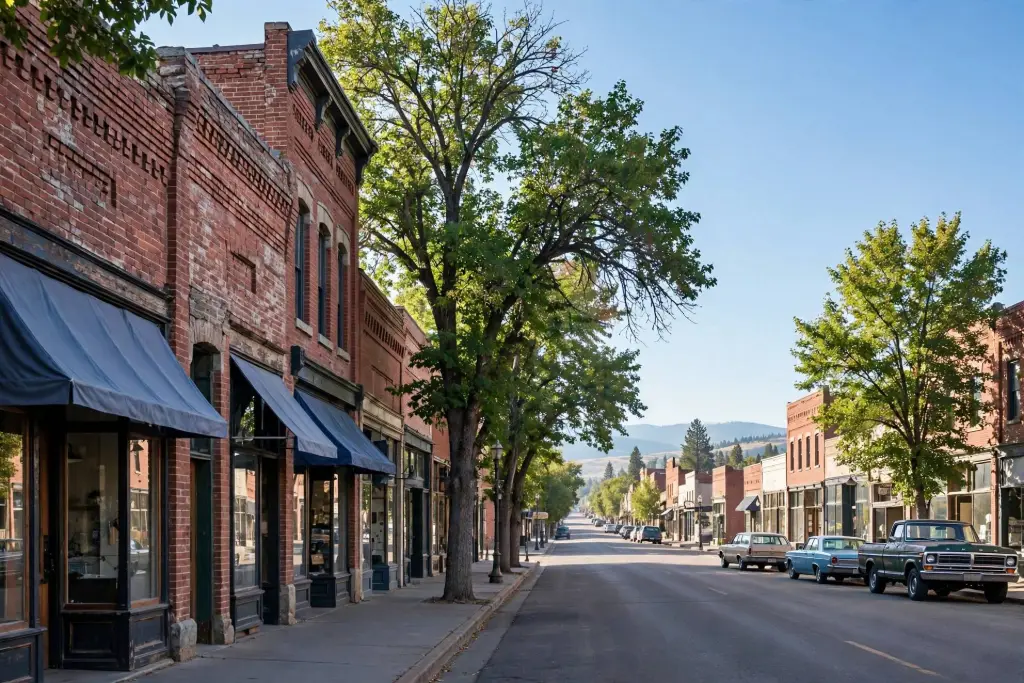
Downtown Mountain Home holds the oldest housing in the city, much of it built before 1960 on small lots near the historic core. Streets are narrow, setbacks are short, and many homes have been added onto over the decades, which means one house can carry two or three eras of plumbing. The defining trait is mixed foundations. A single block can hold a 1940s cottage on a vented crawlspace, a postwar home with a full basement, and a later addition poured on a slab where a porch used to be.
Where the lines run follows the foundation: in crawlspace homes the main enters through the foundation wall and travels along the floor joists to the kitchen and bath, while in basement homes it often runs exposed along the wall or ceiling before branching up. Additions complicate the picture, since a line extended under a new slab section creates a joint between old and new that is a natural weak point.
Materials tell the same layered story: older galvanized steel lines narrowed by interior corrosion, later copper updates tied in at threaded or soldered fittings, and shutoff valves that can be original, stiff, or missing. The meter usually sits near the street at the front of a short lot. The honest answer here is that some leak jobs are slab work and some are not, so the foundation gets checked first.
Why Older Downtown Lines Fail
Age and mixed construction drive most of the trouble downtown. Corrosion works on older supply lines from the inside, and the first failures usually show up at joints, elbows, and the spot where an old line meets a newer addition. Vented crawlspaces add a second threat: Mountain Home winters get cold, and a supply line in an unconditioned crawlspace can freeze and split if insulation is thin. In basement homes, lines passing through the foundation wall can wear where concrete meets pipe, and a slow weep there can run for months unnoticed.
Older water heaters cause confusion too: a failing heater can drip, sweat, or run constantly, each mimicking the water-bill signature of a supply leak. The practical upshot is that the symptom list downtown is wide. A damp basement corner, a musty crawlspace, a climbing bill, or a faint hiss in a quiet house can all point at the same aging supply network, and each needs the source confirmed before any repair plan is set.
Foundation First: What the Technician Checks
The first check is the foundation, not the floor. The technician confirms whether the home sits on a slab, a crawlspace, a basement, or a mix, because that decides where the water can even go. Next comes the entry point: where the main line comes through the foundation wall or up through the floor, and what material it is. A meter test with every fixture off shows whether water is moving when nothing is running, which separates a real leak from normal use.
From there the pro listens: acoustic equipment picks up the hiss of escaping water, following the known run along crawlspace joists, the basement wall, or the addition slab. If the leak is on the hot side, a thermal scan of the floor can narrow the search to a warm patch. In a downtown home the technician is also ruling things out: basement wall seepage, a sweating water heater, or a dripping hose bib can all look like a supply leak from a distance. A good first visit here ends with a marked spot and a plain explanation of options, not a torn-up floor and a shrug.
From Your Call to a Marked Leak
You call (986) 333-0586 and describe what you are seeing: the bill, the damp spot, the sound, the age of the house. We connect you with an experienced local pro, who usually asks about the foundation type and the home's age before scheduling. On the visit the technician runs the meter test, listens along the line, and marks the leak location. Then you hear the options in plain terms: a targeted repair at the leak, or a reroute that abandons the old line, depending on the pipe's condition and where it runs. You choose the path and the pro does the work. Downtown visits follow this same shape: find it first, explain it clearly, then fix it.
Related Help Near Downtown
Not every leak downtown lives under concrete, so detection comes first to confirm where the water is escaping. When the source is found, a spot repair covers the fix at the leak itself, while a slab leak reroute moves the line to a new path when the old one is not worth keeping. Just north of downtown, homeowners call about slab leak repair in North Mountain Home, and to the south it is slab leak repair in South Mountain Home. All of it sits under our slab leak mountain home help, including hot water slab leak calls from older homes with aging heaters.
Questions From Downtown Homeowners
Maybe not, and that is worth establishing before anyone talks about breaking concrete. Many pre-1960 homes in Downtown Mountain Home sit on crawlspaces or basements, with later additions poured on slabs. A technician can usually confirm the foundation type from the entry point and a quick look, and the detection approach changes with the answer. Getting that answer right comes before any repair plan.
Seepage usually follows rain or snowmelt and shows up along walls or the floor joint, while a supply leak runs constantly and does not wait for weather. A meter test settles it: if the meter moves with every fixture off, pressurized water is escaping somewhere. A pro can run that test to confirm which problem you actually have.
In most cases, yes. Acoustic listening, meter testing, and thermal scanning can narrow the source to a small area before anything is opened, which matters most where original floors and finishes are worth preserving.
It depends on the pipe's condition and where it runs: a single clean leak in an accessible line is often repaired at the spot, but an old, corroded, or buried line can make a reroute the better answer. The technician should walk you through that comparison before anything is opened.
It is a common mix-up in older homes. A failing water heater can drip, run constantly, or discharge from its relief valve, and each one moves the meter like a leak. A technician checks the heater and its connections as part of the first visit, because fixing the wrong problem helps no one.
Yes. Describe what you are seeing: the bill change, the damp spot, any sound of running water. The technician can document findings and explain what the next step looks like, so whoever schedules the work has clear information. Calls are answered 24/7 at (986) 333-0586.
Cold is a real stressor for supply lines in vented crawlspaces, especially where insulation is thin or missing. A hard freeze can split a line, and the leak may only show as a bill spike weeks later. With a crawlspace home, ask the technician to check the line's exposure during the visit.
The home's approximate age, whether it has a crawlspace, basement, or slab, where you first noticed the problem, and what the water bill has done over the last few months. If you hear water running when nothing is on, say so. Those details let the technician arrive with the right equipment and a plan.
Older Downtown Home? Start With One Call
Older homes hide leaks in older lines. Get slab leak repair in Downtown Mountain Home that finds the source first. Call (986) 333-0586. Calls answered 24/7.
Talk to a Pro About Your Older Home